Should You Upgrade from Samsung Galaxy Z Trifold to Motorola Moto G Power 2026?
For buyers weighing a move from a premium, experimental foldable like the Samsung Galaxy Z Trifold to a mainstream, battery-focused handset such as the Motorola Moto G Power 2026, the decision is not straightforward. One device emphasizes expansive screen real estate and multitasking; the other prioritizes battery life, simplicity, and affordability. This article examines the practical differences, real-world use cases, and buyer priorities to help readers decide whether an upgrade (or rather a downgrade in terms of feature set) makes sense.
Introduction: The context behind the comparison
The Galaxy Z Trifold represents Samsung's push to expand the foldable category beyond clamshells and single-fold devices. It is aimed at users who want tablet-like screens in a pocketable form and are willing to accept higher cost, novelty, and careful handling. By contrast, the Motorola Moto G Power 2026 continues Motorola's long-standing focus on long battery life in cost-conscious packages targeted at everyday users.
When buyers ask "Should I upgrade," they usually mean either "Will the Moto G Power 2026 give me a better day-to-day experience?" or "Is it worth trading a premium foldable for a simpler device?" The answer depends on priorities: portability vs. screen size, battery endurance vs. multitasking capability, and cost vs. novelty. The sections below analyze these trade-offs in depth.

Detailed product review and analysis
Samsung Galaxy Z Trifold — what it delivers
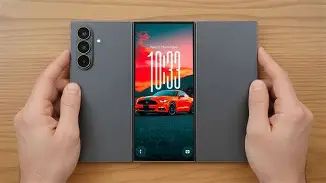
The Galaxy Z Trifold is a premium device that centers on a flexible, multi-panel display system designed for productivity and immersive media consumption. Its biggest selling point is the large usable screen area when unfolded, allowing side-by-side apps, larger canvases for editing, and more information on-screen without resorting to a separate tablet.
Real-world strengths:
- Multitasking and productivity: Users who work with multiple apps — messaging, email, notes, and a browser — benefit from the extra display space. It reduces app switching and can make on-device productivity closer to a small tablet experience.
- Media and reading: Streaming video, reading long articles, and reviewing documents feel more natural on the wide unfolded display.
- Innovation and status: The Trifold signals an appetite for cutting-edge hardware and tends to attract enthusiasts who value the novelty of advanced form factors.
Trade-offs and practical limitations:
- Durability and handling: Multiple hinges and folding layers increase mechanical complexity. While manufacturers reinforce these devices, they still require more careful handling than a simple slab phone.
- Thickness and weight: When folded, a trifold can be noticeably thicker than single-fold devices or traditional phones, affecting pocketability.
- Price: Premium materials and engineering push retail prices into a higher bracket. That includes higher repair costs for damaged displays or hinges.
Motorola Moto G Power 2026 — what it delivers
The Moto G Power 2026 is positioned around battery endurance and solid day-to-day performance at a midrange price point. Motorola typically trims extras to offer what most users need: a responsive interface, multiple days of battery life, and a camera system adequate for casual photos.
Real-world strengths:
- Battery life: For commuters, travelers, and users who rely on their phone through long shifts or overnight travel, the G Power series is engineered to last beyond a single day of heavy use.
- Affordability and value: It undercuts premium foldables by a wide margin, lowering the barrier for people who prioritize core functionality over experimental hardware.
- Simplicity and durability: A traditional slate design is easier to protect with cases and screen protectors; it generally fares better in everyday knocks and drops.
Limitations relative to the Trifold:
Find top-rated Mobile Phones products at great prices.
See Deals →- Smaller screen area: Single-panel displays mean less on-screen real estate for multitasking and content consumption.
- Performance ceiling: Midrange components are more than adequate for typical tasks but will lag behind flagship chipsets in sustained heavy loads like high-frame-rate gaming or complex content creation.
- Camera and premium features: Cameras and extras such as ultra-high-brightness HDR or top-tier materials are commonly scaled back to keep costs down.
Pros & Cons
Samsung Galaxy Z Trifold
- Pros:
- Expansive, tablet-like screen space for multitasking and media
- Premium materials and unique form factor
- Advanced multitasking features and software optimizations for large displays
- Cons:
- High cost and expensive repairs
- Heavier and thicker when folded; less pocket-friendly
- More delicate mechanical parts; long-term durability questions for some users
Motorola Moto G Power 2026
- Pros:
- Excellent battery life for multi-day use or heavy single-day workloads
- Affordable price and lower cost of ownership
- Simple, durable design that’s easy to protect
- Cons:
- Smaller display limits productivity and immersion
- Midrange performance not ideal for demanding gaming or creative workflows
- Fewer premium features and shorter software support window in some cases
Side-by-side comparison
| Category | Samsung Galaxy Z Trifold | Motorola Moto G Power 2026 |
|---|---|---|
| Form factor | Foldable trifold offering large unfolded screen area | Traditional slate phone, single rigid display |
| Display experience | Tablet-like, ideal for multitasking and media | Good for everyday use, smaller, easier one-handed use |
| Battery | Decent, but heavy use of large displays can drain faster | Focused on multi-day endurance and long single-day battery life |
| Durability | More fragile due to hinges and flexible panels | More robust with fewer mechanical failure points |
| Performance | Flagship-class performance likely, for demanding tasks | Midrange performance suitable for typical apps and light gaming |
| Camera | High-end camera hardware in many cases, strong imaging features | Competent cameras for casual shots, less advanced in low light |
| Price & value | Premium price; value tied to unique use cases | Excellent upfront value for battery-focused buyers |
| Best for | Power users, multitaskers, early adopters, media consumers | Users who prioritize battery life, durability, and cost |
Real-world use cases: which phone matches which lifestyle?
Everyday commuters and long shifts
For users who spend long shifts away from charging points — field workers, delivery drivers, or event staff — battery life is the top priority. The Moto G Power 2026's endurance-focused design suits these scenarios better than a foldable that may require midday top-ups when the large displays are used extensively.
Remote workers and multitaskers
Remote or hybrid workers who need to manage email, video calls, spreadsheets, and note-taking on the go get more mileage from the Galaxy Z Trifold. The expanded screen reduces the need to switch devices and can turn the phone into a compact productivity tool.
Frequent travelers and media consumers
Frequent flyers and train commuters who prioritize entertainment during long journeys may prefer the Trifold's larger, more immersive screen for movies and reading. However, if battery-based anxiety is a concern, the Moto G Power 2026 removes the need to hunt for chargers.
Photographers and content creators
Content creators who rely on advanced camera systems, color-accurate displays, and performance for editing will tend toward the Trifold or other flagship devices. The Moto G Power offers capable point-and-shoot functionality but is not targeted at serious mobile photography.
Buying guide: how to decide
When deciding whether to move from a Galaxy Z Trifold to a Moto G Power 2026, consider the following checklist.…1. Prioritize your top three needs
List the three things we cannot compromise on: for example, battery life, screen size for multitasking, and cost. If battery life and cost outrank multitasking, a Moto G Power makes sense. If an expansive display for productivity or media is essential, the Trifold remains the better fit.
2. Consider durability and pocketability
Foldables require more careful handling and often come with more fragile repair scenarios. If the phone will be carried in tight pockets, used outdoors, or handled roughly, a traditional phone will likely sustain daily life better.
3. Think about repair and long-term costs
Replacement panels, hinge repairs, and premium repairs can exceed the savings from trading down. Factor in potential repair insurance or extended warranties before swapping a Trifold for a lower-cost device.
4. Evaluate software and updates
Flagship devices often receive longer software support windows; midrange devices may receive fewer years of major OS updates. If long-term platform support matters, check each manufacturer's update policy for the specific models.
Find top-rated Mobile Phones products at great prices.
Browse Now →5. Test daily workflows
If possible, spend a day with each device to simulate typical workflows: run through messaging, media consumption, productivity apps, and photography. The tactile feel, thumb reach, and how a device fits in pockets or bags are often deciding factors.
6. Consider resale and trade-in
Premium foldables often retain reasonable resale value among enthusiasts, but market demand changes. Calculate how much value the Trifold would fetch on trade-in markets versus the cost of acquiring a Moto G Power to see the net difference.
When upgrading (or downgrading) makes sense
Switching from a Galaxy Z Trifold to a Moto G Power 2026 makes sense when battery endurance, cost of ownership, and simplicity are more important than screen real estate and cutting-edge features. It can be an intentional change for someone who has shifted life circumstances — for example, a user moving to a role requiring longer away-from-desk hours, or someone who simply wants a break from the care and cost of a premium foldable.
Conversely, trading a Moto G Power for a Trifold is sensible if productivity demands or media consumption have increased and the user is comfortable with the trade-offs in cost and fragility.
Practical tips for making the switch smoothly
- Back up data: Ensure contacts, photos, and settings are backed up to the cloud before switching devices.
- Protect the device: If choosing a Trifold, invest in a protective case rated for foldables and consider screen-care habits. For the Moto G Power, a sturdy case and screen protector will preserve long-term appearance.
- Assess carrier compatibility: Confirm network bands, carrier features (Wi‑Fi calling, VoLTE), and eSIM support, if relevant.
- Check accessories: The Trifold may use specific chargers or have unique case availability; the Moto G Power typically benefits from widely available accessories.
Conclusion
The question "Should you upgrade from the Samsung Galaxy Z Trifold to the Motorola Moto G Power 2026?" is ultimately a question about priorities rather than purely about hardware. The Galaxy Z Trifold caters to those who want a device that expands the possibilities of mobile computing: larger screens, enhanced multitasking, and a novelty factor. The Moto G Power 2026 answers a different set of priorities: reliable, long-lasting battery life, straightforward durability, and accessible cost.
If a user finds themselves charging too often, dreads power management, or wants to simplify ownership without losing essential smartphone functionality, moving to the Moto G Power 2026 is a practical, sensible choice. If the user values the extra workspace, premium performance, and unique experience provided by a trifold device, then keeping the Galaxy Z Trifold will continue to offer benefits that a midrange power phone cannot match.
Decisions like this are best made by weighing real-world daily needs: how long are the workdays, how important is one-handed use, how often are media and multitasking used, and how much does repair risk worry the buyer. With those answers in hand, the right phone choice becomes clear.